
Emergency Fund: How Much Do You Really Need?
Why You Need an Emergency Fund
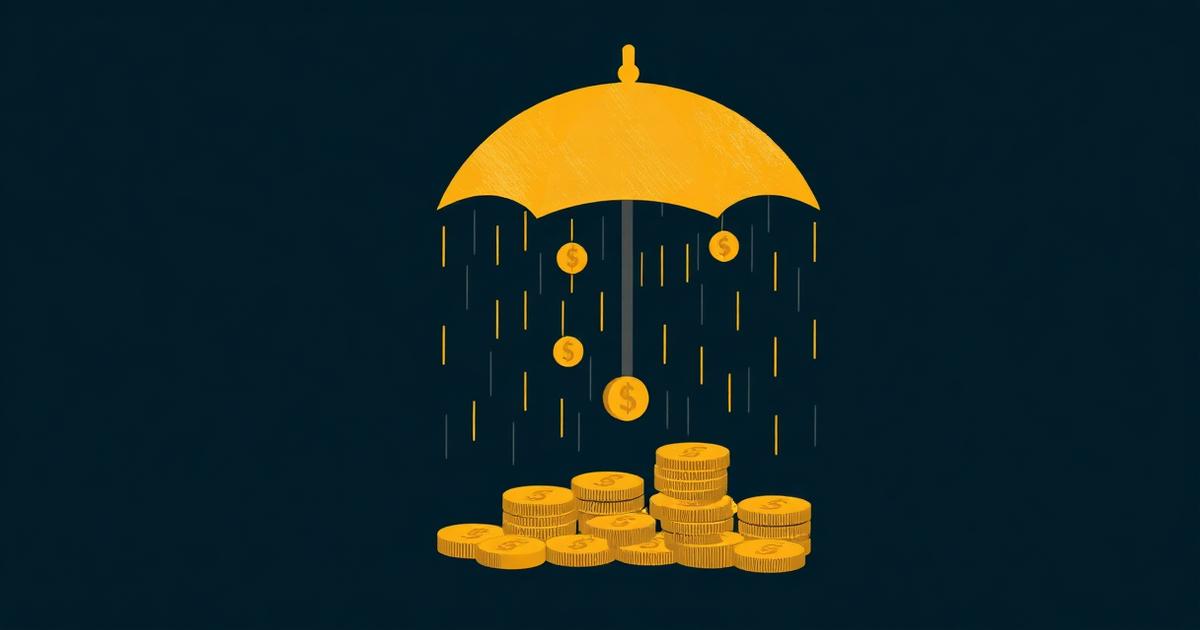
An emergency fund is money set aside for unexpected expenses: job loss, medical bills, car repairs, or home emergencies. Without one, a single surprise expense can spiral into credit card debt.
The stats are sobering: About 56% of Americans can't cover an unexpected $1,000 expense with savings. Don't be in that group.
How Much Should You Save?
The standard advice is 3 to 6 months of essential expenses. Not income — expenses. Here's how to calculate yours:
- Add up your monthly must-pays: rent, utilities, groceries, insurance, minimum debt payments, transportation
- Multiply by 3 (minimum) or 6 (comfortable)
Example: If your essential monthly expenses are $3,000, aim for $9,000–$18,000.
Who Needs More?
- Freelancers or self-employed: 6-12 months (irregular income)
- Single-income households: 6+ months
- People in volatile industries: 6+ months
Who Can Get Away With Less?
- Dual-income households with no kids: 3 months may be enough
- People with very stable jobs and low expenses: 3 months
Where to Keep Your Emergency Fund
Your emergency fund should be:
- Liquid: You need to access it within 1-2 days
- Safe: No stocks, no crypto — this isn't an investment
- Earning interest: A high-yield savings account (HYSA) earning 4-5% APY is ideal
Popular options: Marcus (Goldman Sachs), Ally Bank, Capital One 360, Discover Savings.
Do NOT keep your emergency fund in your checking account. You'll spend it. Keep it separate but accessible.
How to Build It From Zero
If saving $9,000+ sounds overwhelming, break it into milestones:
- $500 — Covers a minor car repair or medical co-pay
- $1,000 — The most common emergency threshold
- One month of expenses — Real breathing room
- Three months — You can survive a job transition
- Six months — Full financial security
Automate a transfer of even $50-100/month to your HYSA. Consistency beats intensity.
Track Your Progress
Create a free budget with Future You and use the savings goals feature to track your emergency fund progress. Set your target, watch the progress bar fill up, and see your estimated completion date.