How to Invest in the S&P 500 (Beginner's Guide)
What the S&P 500 Actually Is
The S&P 500 is an index that tracks the 500 largest publicly traded U.S. companies — Apple, Microsoft, Amazon, Berkshire, JPMorgan, and so on. When you "invest in the S&P 500," you're buying a fund that holds all 500 in the same proportions as the index.
Historical return: ~10% per year on average, ~7% after inflation, over 90+ years. No individual stock picker consistently beats it over decades.
Step 1: Pick an Account
- Roth IRA — tax-free growth. Best for most people under the income limits. Compare in Roth vs Traditional IRA.
- 401(k) — especially with an employer match. Free money first, always.
- HSA — the best retirement account almost nobody uses if you have a high-deductible health plan.
- Taxable brokerage — once tax-advantaged space is maxed.
Open one at Fidelity, Schwab, or Vanguard. No account fees. Takes 15 minutes.
Step 2: Pick a Fund
You're looking for a low-cost index fund or ETF that tracks the S&P 500. Any of these works:
- VOO (Vanguard S&P 500 ETF) — 0.03% expense ratio
- IVV (iShares Core S&P 500 ETF) — 0.03%
- SPY (SPDR S&P 500 ETF) — 0.09%
- FXAIX (Fidelity 500 Index Fund) — 0.015%
- SWPPX (Schwab S&P 500 Index Fund) — 0.02%
Pick whichever your broker offers commission-free. The differences are pennies.
Step 3: Automate It
Set a recurring transfer from checking → brokerage → fund purchase. Weekly, bi-weekly, or monthly. This is dollar-cost averaging — buying at every price, high and low, so you never have to guess timing.
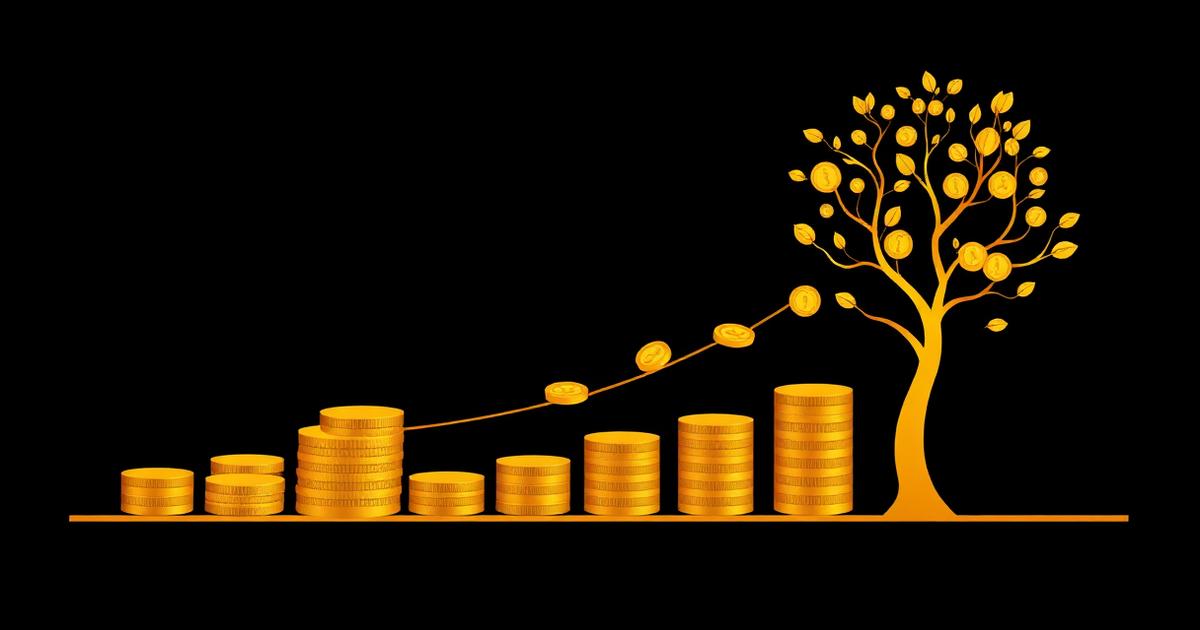
Even $100/month at 10% for 40 years becomes ~$580,000.
Step 4: Don't Touch It
The single biggest predictor of investment returns is not selling during crashes. The S&P 500 has had ~10 drops of 20%+ in the last 80 years. Every single one recovered. Investors who sold at the bottom locked in the losses; investors who kept buying got rich.
Turn off the news. Check quarterly, not daily.
S&P 500 vs Total Stock Market
The S&P 500 covers about 80% of the U.S. market cap. Some prefer a "total market" fund (VTI, FZROX, SWTSX) that adds mid-cap and small-cap stocks. Over 30+ years the returns are within a rounding error. Either is fine — don't over-optimize.
For the ETF-vs-index-fund nuance, see index funds vs ETFs.
What About International?
The S&P 500 is 100% U.S. Most three-fund portfolios add ~20–30% international (VXUS, FTIHX) for diversification. If you're just getting started, S&P 500 alone is fine for the first year — add international once you're contributing consistently.
Model the Growth
Open the compound interest calculator and enter your monthly contribution at 9–10%. Seeing the 30-year number is what turns "I should invest" into "I'm investing on Friday."